
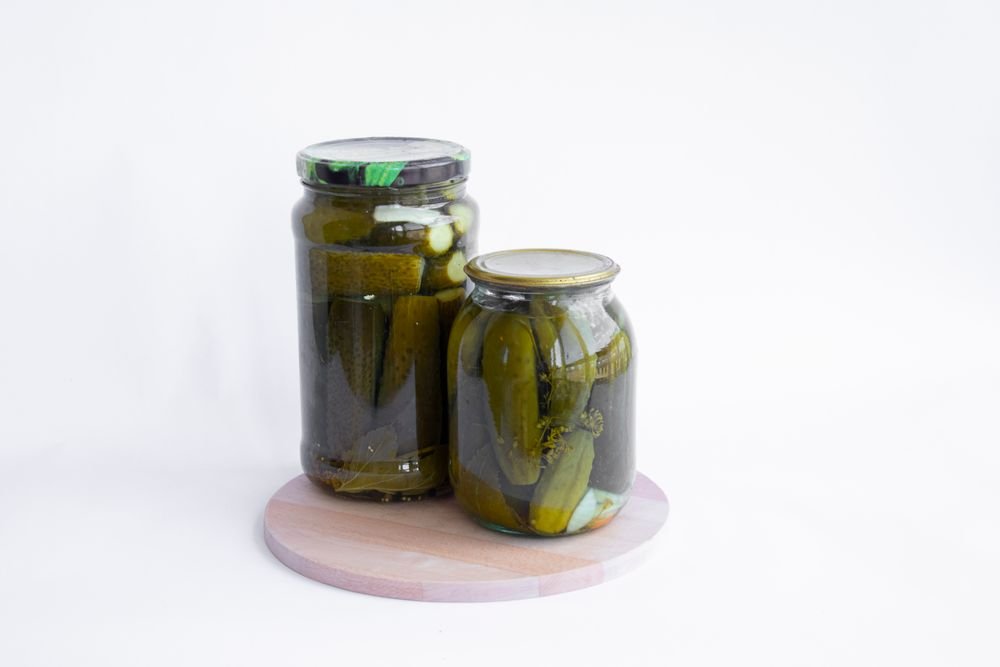

You may have noticed a sign at your local sandwich shop saying “no pickles today.” Or maybe you went to grab a jar of Claussen at the grocery store and found an empty shelf. The pickle shortage is real — but it’s more specific and less dramatic than the headlines make it sound.
This article breaks down what’s actually causing the shortage, which brands and chains are affected, why restaurants and grocery stores don’t always run out at the same time, and whether this is likely to keep happening.
This Is Not a Global Pickle Crisis — Here Is What It Actually Is
When people say “pickle shortage,” they almost always mean pickled cucumbers — specifically dill pickle slices used on sandwiches and burgers. This does not mean all pickled goods are disappearing from shelves.
The shortages are regional and brand-specific. Some store shelves are fully stocked right now, while certain chains or specific brands are facing real gaps. There is no evidence of a worldwide collapse of pickle supply.
It also helps to understand that there are two separate markets involved. Retail jarred pickles — the kind you buy at a grocery store — come from a different supply chain than the bulk foodservice pickles used by restaurants and delis. What’s happening in one channel doesn’t always match what’s happening in the other.
Real examples include Firehouse Subs in the U.S. warning customers about pickle availability, Subway Australia experiencing temporary shortages at multiple locations, and some grocery shoppers finding Claussen missing from shelves while other brands remained in stock. These are localized and specific situations, not a sign that pickles are going away.
Weather in Mexico Is the Main Driver of the Current Shortage
The United States imports over one million tons of fresh cucumbers every year. About 75% of those come from Mexico. That level of dependence means that when growing conditions in Mexico go wrong, U.S. pickle producers feel it quickly.
Recent extreme weather in key Mexican growing regions has done exactly that. Temperatures reaching around 100°F in some areas have stunted cucumber growth and damaged crop yields. Unusually cold conditions in other regions have had a similar effect. According to USDA estimates cited by Fox Weather, imports from Mexico are down by at least 7%.
That may not sound like a large number, but pickling cucumbers are a specific sub-category of cucumber. They are grown and graded specifically for brining, so producers can’t just substitute any cucumber. When that particular supply tightens, pickle manufacturers and restaurant distributors feel the pinch faster than, say, a grocery store selling slicing cucumbers.
The price impact has been significant. Wholesale cucumber prices have reportedly more than doubled from historical averages, with some prices reaching into the $50s per box. That kind of cost increase puts pressure on every link in the supply chain — from manufacturers to distributors to the restaurants and retailers at the end of it.
Why Claussen Ran Short — and Why Refrigerated Pickles Are More Vulnerable
Many U.S. shoppers noticed Claussen specifically disappearing from shelves, even when other pickle brands were still available. That wasn’t a coincidence — Claussen faced a combination of problems that hit refrigerated pickles harder than shelf-stable ones.
Availability of Claussen reportedly dropped by as much as 88% in many locations. The cause was a mix of factors rooted in the pandemic era. Demand for at-home groceries spiked sharply during COVID-19, pushing pickle consumption up. At the same time, manufacturing schedules were reduced, creating a gap between supply and demand.
A less obvious factor was the glass jar shortage. Glass recycling dropped by roughly 30% during the pandemic, which limited the number of jars available for pickle producers. Claussen, which sells refrigerated pickles in glass jars, was particularly exposed to this problem. Brands that use different packaging or sell shelf-stable products were less affected by this specific constraint.
It’s worth noting that the glass recycling issue is historical context for earlier shortages — it’s not necessarily the primary driver of current conditions. Today’s pressures are more tied to the agricultural situation in Mexico. But the Claussen example shows how a single product can sit at the intersection of multiple supply chain vulnerabilities at once.
Why Your Sandwich Shop Runs Out Before Your Grocery Store Does
This is a question that confuses a lot of people. You walk into a restaurant and there are no pickles on the menu. Then you go to the grocery store and see several brands sitting on the shelf. What’s going on?
Restaurants and fast-food chains source pickles through bulk foodservice distributors. That is a completely separate supply chain from the retail jars you buy at the store. When cucumber supply tightens, distributors have to make decisions about who gets what — and those decisions don’t play out the same way across both channels.
In some cases, distributors prioritize large national restaurant contracts, leaving smaller food businesses short. In other cases, the reverse happens — retail jar production takes priority, and certain restaurant suppliers see reduced allocations. It depends on the specific distributor, the contracts in place, and how tight supply actually is at that moment.
Firehouse Subs issued warnings to customers in the U.S. about potential pickle shortages, directly tied to the reduced cucumber imports from Mexico. Subway Australia dealt with temporary shortages across multiple outlets — reportedly for the second consecutive year. Meanwhile, some informal reports suggest certain restaurant wholesalers were less affected than retail grocery channels, though this was not uniform across the industry.
The practical takeaway is this: “no pickles” at a restaurant doesn’t mean the grocery store is about to run out. And a bare shelf at the grocery store doesn’t mean every restaurant in your area is out too. These are connected but separate systems.
Where This Fits in the Bigger Picture
Pickles are not the only food category under pressure right now. Multiple grocery categories — including iceberg lettuce, cauliflower, and beef — are facing tight supplies heading into 2026, largely due to erratic weather, drought, and demand imbalances. Pickles are part of a broader pattern of climate-related volatility in produce markets, not an isolated oddity.
The structure of the pickle industry makes it particularly exposed to these kinds of disruptions. The U.S. relies heavily on a narrow set of growing regions, and the processing and packaging side of the business has its own vulnerabilities — glass supply, cold chain logistics, manufacturing capacity. When multiple pressure points hit at once, even something as simple as a jar of dill slices can become hard to find.
For businesses that use pickles in high volume — sandwich shops, burger chains, delis — this is worth paying attention to. Proactive conversations with distributors, flexibility on pickle formats (spears vs. slices, different brine styles), and short-term menu adaptations can reduce the impact of supply gaps. Waiting until the shelf is empty is the wrong time to start those conversations.
Tools like Business Sling can help operators manage scheduling and operations more efficiently during disruptions — which matters when your team is dealing with supplier issues on top of regular workload.
Is the Shortage Likely to Continue?
Weather-driven agricultural shortages tend to be seasonal and cyclical. As growing conditions in Mexico normalize — or as producers shift plantings to other regions — supply usually recovers. That’s the more optimistic scenario, and it’s a reasonable one based on how these cycles typically work.
The less comfortable reality is that ongoing climate variability and structural dependence on a small number of growing regions mean intermittent shortages are likely to recur. This isn’t a permanent pickle crisis. But it probably isn’t a one-time event either.
For consumers, the practical advice is straightforward: if you have a strong brand preference, buy when you see it in stock. If your usual brand is missing, check other styles or non-refrigerated options — they may still be available. And if you’re buying cucumbers from a farmers market during summer, quick refrigerator pickles made with vinegar, salt, and basic spices are simple to make and can fill the gap.
For food businesses, the lesson is the same one supply chain disruptions always teach: single-source dependencies and no backup plan are a liability. The pickle shortage is a small example of a larger principle — the simpler a product seems, the easier it is to underestimate how many things have to go right for it to show up on your shelf.
Read Also: