
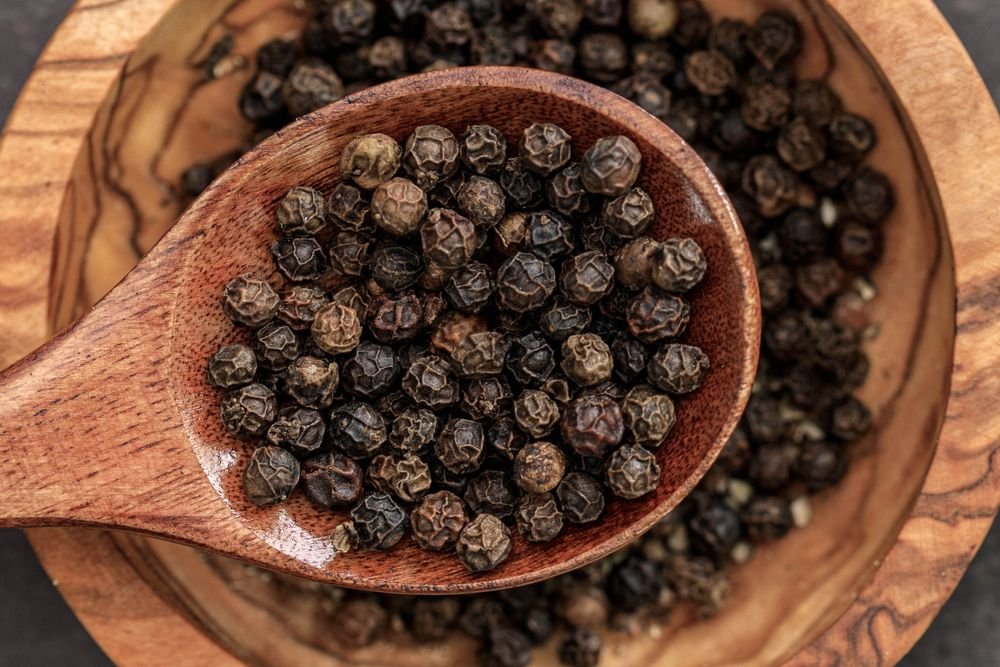

Black pepper is one of the most common ingredients in any kitchen — and right now, it costs noticeably more than it did a year ago. That’s not a coincidence.
The global black pepper market is under real pressure. Prices are at or near record highs, inventories are thin, and the conditions driving this tightness aren’t going away quickly. Whether you’re a home cook, a restaurant buyer, or a food business owner, this affects you.
Here’s what’s actually happening, why it’s happening, and what you should realistically expect.
Is There Actually a Black Pepper Shortage?
Yes — but it’s worth being precise about what that means. Black pepper hasn’t vanished from store shelves. You can still buy it. The shortage shows up differently: higher prices, smaller package sizes, and thinner stock in budget spice aisles.
There are really three separate but related issues happening at once. First, peppercorn supply is genuinely tight at the production and trade level. Second, ground pepper availability is affected because it depends on the same raw supply. Third, prices are rising sharply — and that’s the part most consumers feel directly.
People often experience all three as one problem: “pepper is getting expensive and hard to find.” That’s accurate as a summary, but the causes and solutions differ at each level.
This is also not a regional story. The market tightness is global, affecting buyers and suppliers across multiple continents. Some stores are managing it better than others based on their existing contracts and inventory timing, but no major market is fully insulated.
Why Black Pepper Supply Is So Fragile
The core problem is concentration. A small number of countries produce the vast majority of the world’s black pepper — primarily Vietnam, India, Brazil, Indonesia, and Sri Lanka. When supply is that concentrated, a bad season in even one or two of those countries ripples across the entire global market fast.
Think of it like any commodity with narrow sourcing. If most of your supply comes from a handful of places, there’s very little buffer when something goes wrong. There’s no large pool of alternative suppliers to absorb the gap.
This structural fragility is not new, but it becomes painfully visible during disruptions. Higher-grade pepper — steam-sterilized, organically certified, or specific varietals — is even more exposed, because there are fewer alternative sources for those products specifically.
For food businesses that buy in volume, this means their usual suppliers may not be able to fulfill orders at previous prices or quantities, even if pepper physically exists somewhere in the supply chain.
What Is Actually Causing the Shortage Right Now
There’s no single villain here. The current tightness comes from several overlapping problems hitting at the same time.
Vietnam’s Production Decline
Vietnam is the world’s largest black pepper exporter, and it has seen meaningful production declines in recent years. That alone has had a direct effect on global prices. When the largest supplier ships less, everyone feels it.
Weather Disruptions Across Multiple Regions
Unpredictable rainfall, drought, and poor growing conditions have hit several major growing regions — including India, Vietnam, and Sri Lanka. These aren’t isolated incidents. When weather disrupts multiple origins in the same cycle, it compounds the supply problem significantly.
Supply Chain Bottlenecks
Even when pepper exists, getting it from farm to shelf has become slower and more expensive. Logistics friction — shipping delays, higher freight costs, and distribution gaps — amplifies the shortage effect. Product that physically exists may still not reach buyers on time or at expected cost.
Demand Hasn’t Dropped
Pepper is used in nearly every cuisine and food manufacturing process. Consumer demand hasn’t fallen enough to offset the supply problems. That means reduced supply is meeting steady demand — which is exactly the condition that drives sustained price increases rather than a short, sharp spike that corrects itself quickly.
The combination of these factors is what makes this situation more serious than typical seasonal price swings. It’s not one bad harvest. It’s weather, production decline, logistics, and demand all moving in the wrong direction at once.
Where Consumers Will Notice It First
If you shop at discount grocery chains or reach for store-brand spices, you’re likely to feel this first. Budget spice aisles tend to carry thinner stock to begin with, so supply tightness shows up there faster than in premium or branded sections.
The most common experience for everyday shoppers is simple: the same jar costs more, or the package is smaller than it used to be. Both of those things are happening now across various retailers.
Pepper is central to daily cooking — eggs, soups, roasted vegetables, marinades, grilled meats. Even a moderate price increase feels significant because people buy it regularly and use it constantly. It’s not a specialty ingredient you buy once a year.
Pre-ground pepper and whole peppercorn grinders are affected differently. Pre-ground pepper is more directly exposed to raw supply disruptions because it’s processed and packaged at scale. Branded grinders may hold inventory longer based on their purchasing contracts, but that buffer is not indefinite.
Price variation between stores is also real and confusing. One retailer may still be selling from a contract locked in months ago. Another may be buying at current market prices. That’s why two stores a few miles apart can have noticeably different shelf prices right now — it’s not a mistake or a price-gouging situation. It reflects when they last went to market.
How Long the Shortage Is Expected to Last
No source can give a precise end date, and anyone who does is guessing. What the current market data does suggest is that tightness is unlikely to resolve quickly. Several industry sources point to firm prices continuing into 2026, with some indicating the market may not ease until early 2026 at the earliest.
The International Pepper Community’s most recent market notes describe cautious trading and softer buying interest — not a collapse in prices, but a market that remains closely watched. That’s typical of a tight commodity that hasn’t found its correction yet.
For food businesses and procurement teams, that means planning around current prices rather than waiting for a return to 2023 or 2024 levels. Locking in supply contracts now — where possible — is worth evaluating seriously. Waiting for prices to drop may cost more than accepting today’s rates.
For home cooks and small buyers, the practical advice is straightforward: don’t stockpile excessively, but don’t assume prices will fall soon either.
Are There Any Workable Substitutes?
This is where expectations need to be realistic: there is no true substitute for black pepper. Other spices can approximate certain qualities — heat, aroma, color — but none replicate the full flavor profile.
Some partial options worth knowing:
- White pepper — closest in flavor, but still distinct and often similarly priced
- Chili flakes or cayenne — provide heat, but a different kind and character
- Cumin — earthy warmth, works in some savory dishes but not as a direct swap
- Smoked paprika — adds depth and mild heat, useful in marinades and rubs
- Herb blends — can compensate in specific dishes, but only partially
For home cooking, you can often work around reduced pepper use by building flavor in other ways. For food manufacturers or restaurants that depend on specific flavor profiles, substitution is harder and often not viable without reformulating recipes.
If you run a food-related business and haven’t reviewed your pepper sourcing strategy recently, this is a good time to do that. Business Sling covers cost management and supply chain decisions for businesses navigating exactly these kinds of commodity pressures.
What to Do Right Now
Whether you’re a consumer or a business buyer, the approach is the same: work with what the market is telling you rather than hoping for a quick reversal.
For households, buy what you need and use what you have. Avoid panic-buying, which only worsens availability. Be flexible with recipes where possible.
For restaurants and food businesses, review your current supplier relationships and inventory levels. If you’re buying pepper spot price each month, consider whether a short-term contract makes more sense given where prices are heading. Communicate openly with your team about cost pressures so menu pricing or portion decisions can be made deliberately.
The black pepper market will eventually rebalance. Growing seasons recover, supply chains adjust, and prices do come down over time. But the current evidence suggests that recovery is measured in months, not weeks — and businesses that plan around that reality will be in a stronger position than those waiting for a quick fix.
Price pressure on a single common ingredient is manageable. Being caught off guard by it is the part that actually hurts.
Read Also: