
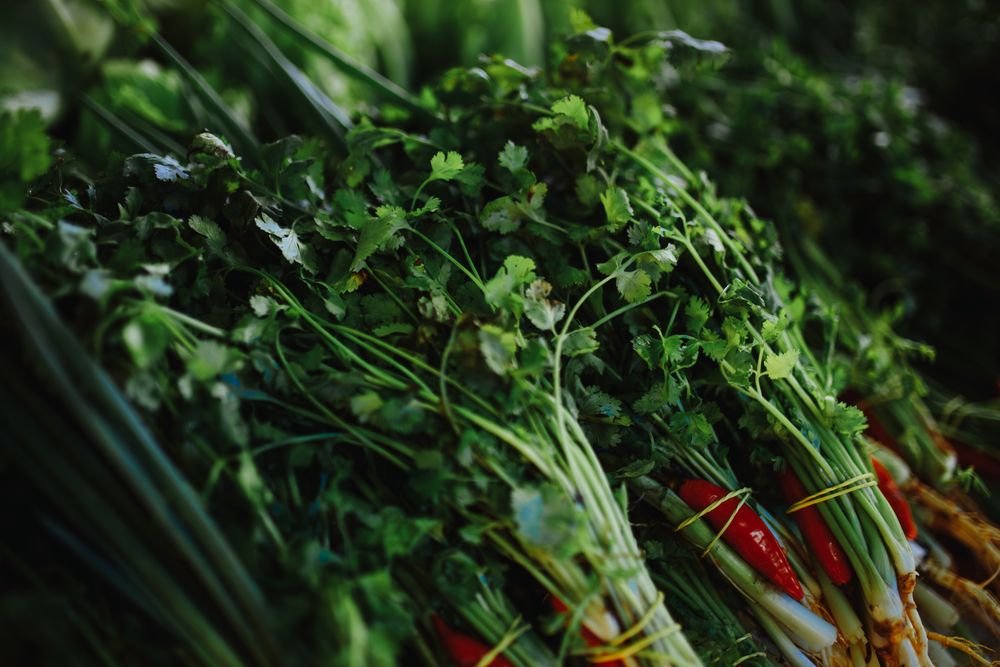

If you’ve reached for cilantro at the grocery store recently and come up empty, you’re not imagining things. Shoppers in some U.S. markets are finding bare shelves or skimpy bundles where full stacks used to sit. It’s a small disruption on paper, but cilantro shows up in so many dishes — salsas, tacos, soups, curries — that even a modest supply gap gets noticed fast.
This article covers whether the shortage is real, what’s driving it, where it’s hitting hardest, how long it might last, and what to use when cilantro simply isn’t available.
Is There Actually a Cilantro Shortage?
The short answer: yes, but it’s not a total nationwide collapse. What’s happening right now is better described as spot shortages and reduced availability in certain markets and regions.
Consumer reports and social media posts reflect localized scarcity — some stores are out while nearby locations still have stock. That kind of uneven pattern is different from a single confirmed, coast-to-coast wipeout.
That said, cilantro has appeared on multiple lists of grocery items expected to be harder to find heading into 2026. Sources like Chowhound and Tasting Table have both flagged it as part of a broader pattern of produce volatility — not a standalone crisis, but a crop under real pressure.
The honest takeaway: availability varies by retailer, region, and season. Some stores will have full stock on a Tuesday and nothing by Friday. That’s the nature of what’s happening right now.
What Is Causing the Cilantro Supply Problem?
There’s no single cause here. Several factors are hitting at the same time, which is why the problem has been stubborn.
Weather and Seasonal Growing Conditions
Cilantro is a fast-growing crop, but it’s also weather-sensitive. It bolts quickly in heat and struggles in drought or excessive rain. Even a brief disruption in planting or harvest timing shows up on shelves within days, because the shelf life is so short. There’s no buffer.
Insect Pressure and Plant Disease
A produce notification from Ole Tyme Produce in June 2025 specifically cited insect pressure as a documented supply issue affecting cilantro shipments from Taylor Farms, one of the larger commercial herb suppliers. Plant disease has also been flagged as a contributing factor by multiple sources tracking the agricultural side of the shortage.
Transportation Delays and Rising Farming Costs
Even when cilantro is harvested on time, getting it to stores quickly is critical. The herb is perishable — delays that might be insignificant for shelf-stable goods can mean a ruined shipment for fresh herbs. Rising farming and transportation costs have added additional strain on suppliers already dealing with crop-level problems.
Put it all together and you have a perishable crop facing weather problems, pest pressure, disease risk, and a tight distribution chain. Any one of those factors creates friction. All of them at once creates visible shelf gaps.
Where the Shortage Is Being Felt Most
Not every store is affected equally, and that matters if you’re trying to actually find cilantro.
Mainstream supermarket chains appear to be more affected than specialty or ethnic grocery stores. The reason is sourcing. Large national chains typically pull from a smaller number of large regional distributors, so when one supplier runs short, it affects many stores at once. Smaller ethnic markets and Latin or Asian grocery stores often source from different regional suppliers and may have steady stock even when big chains don’t.
Farmers markets are worth checking too. Local growers operate on their own planting schedules, which aren’t always synchronized with the pressures hitting national distribution networks. If a nearby farm had a good cilantro cycle, your local weekend market might have plenty.
Restaurants are feeling it as well. Taco shops, Mexican restaurants, and Asian cuisine spots that use cilantro as a routine garnish are adjusting quietly — reducing portions, making cilantro optional, or substituting with diced onion and lime to maintain brightness without the herb. If you’ve noticed less cilantro on your tacos lately, this is likely why.
One thing to watch for before shelves go empty: price increases. In most produce shortage scenarios, prices climb before stockouts happen. If you’re seeing cilantro bunches that used to cost 79 cents now running $1.50 or more, that’s an early signal that supply is tightening in your area.
How Long the Shortage Is Likely to Last
The honest answer is that a clean resolution date doesn’t exist. What the available evidence suggests is continued variability rather than a quick fix — or a permanent disappearance.
The good news is that cilantro has a short growing cycle — roughly 45 to 70 days from seed to harvest. That means supply can recover faster than it would with a longer-cycle crop like fruit trees or grains. When growing conditions improve and pest pressure eases, farmers can restock the supply chain relatively quickly.
The less reassuring part: multiple sources placing cilantro on their 2025–2026 scarcity watch lists suggest the situation may stay tight in the near term rather than resolving in a matter of weeks. Seasonal agricultural cycles, weather patterns, and ongoing cost pressures don’t flip off like a switch.
For practical purposes, plan around intermittent availability. Some weeks your store will have it; others it won’t. Building a substitute strategy into your cooking routine is a smarter move than counting on consistent supply right now.
Cilantro vs. Coriander: Are They the Same Problem?
One common point of confusion worth clearing up: cilantro and coriander come from the same plant. Cilantro refers to the fresh leaves; coriander typically refers to the dried seeds used as a spice.
A shortage of fresh cilantro does not automatically mean coriander seed is in short supply. The seed is harvested at a different stage, processed differently, and has a much longer shelf life. If your recipes call for ground coriander as a spice, you’re unlikely to run into the same availability issues affecting fresh herb bundles.
What to Use When Cilantro Isn’t Available
This is where practical planning matters most, especially for restaurant operators and home cooks who rely on the herb regularly. The right substitute depends on what role cilantro is playing in the dish.
For Fresh Brightness and Garnish
- Flat-leaf parsley is the most common swap. It won’t replicate cilantro’s citrusy edge, but it provides freshness and a green visual. Add a squeeze of lime to compensate.
- Culantro (also called recao or long coriander) is a close flavor match and is often available in Latin or Caribbean grocery stores even when standard cilantro isn’t.
- Green onion tops work well as a garnish in tacos, grain bowls, and soups — they add color and a mild sharpness without completely changing the dish.
For Herbaceous Depth in Cooked Dishes
- Dill brings a different but complementary herbal flavor in soups and some curries.
- Mint works in certain Asian dishes, particularly Thai-style recipes, where cilantro and mint are sometimes used together anyway.
- Chives offer mild onion flavor that integrates cleanly into sauces, dressings, and dips.
A practical example: if your salsa recipe calls for a handful of cilantro and you’re out, try flat-leaf parsley plus lime zest. The result won’t be identical, but it preserves the fresh herb quality without leaving the dish flat.
For restaurant operators, the smarter move is being upfront with customers rather than silently reducing portions. A simple “cilantro is limited right now — would you like it if available?” keeps expectations honest and maintains trust.
What to Watch Going Forward
The cilantro situation is a useful reminder of how quickly fresh produce supply chains can tighten when several variables line up at once. Weather, pests, transportation, and cost pressures don’t happen in isolation — they compound.
For anyone managing food costs, whether in a home kitchen or a restaurant, the practical moves are straightforward: diversify your herb sourcing, build familiarity with substitutes before you need them, and check ethnic or specialty grocery stores when mainstream chains come up short.
If you’re interested in tracking broader business and supply chain trends that affect day-to-day operations, BusinessSling covers practical topics for managers and entrepreneurs navigating exactly these kinds of real-world disruptions.
The cilantro shortage isn’t a catastrophe, but it’s a real inconvenience for cooks and food businesses that depend on it. Knowing why it’s happening — and having a plan when the shelf is empty — puts you ahead of most people who just get frustrated and leave the store empty-handed.
Read Also: