
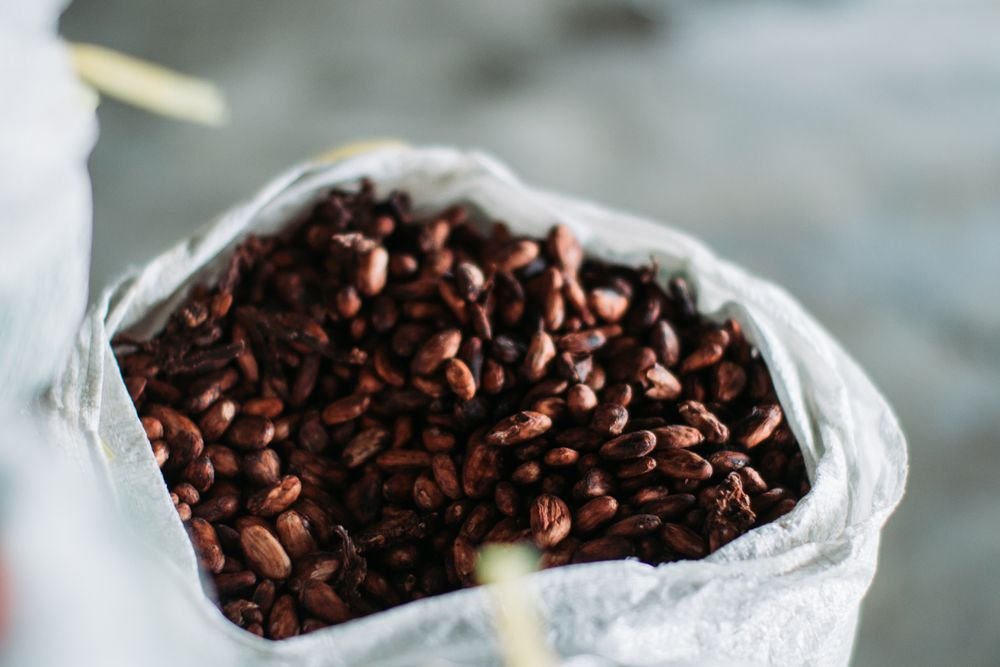

Cocoa prices hit near-record highs in 2024. Chocolate bars got smaller or more expensive. Manufacturers quietly started swapping ingredients. Then raw cocoa prices fell sharply — yet your grocery store still hasn’t caught up. Here’s a clear breakdown of what actually happened and where things stand heading into 2026.
This article covers the root causes of the shortage, which countries drove the crisis, why prices spiked and then dropped, why retail chocolate prices lag behind raw material moves, what manufacturers changed in response, and whether the market is actually stable now.
What Triggered the 2024–2025 Cocoa Bean Shortage
The shortage wasn’t caused by one single event. It was several problems hitting at the same time: poor harvests, extreme weather stress, crop disease, and aging plantations all converged together.
The location of these problems made everything worse. West Africa — specifically Ghana and Côte d’Ivoire — produces the majority of the world’s cocoa. When those two countries have a bad season, the entire global supply feels it. There’s no easy backup.
The aging plantation problem is important to understand. Many cocoa trees in the region were already producing less before the weather and disease pressure hit. Older trees naturally yield fewer beans. So when conditions deteriorated, the trees didn’t have much reserve capacity to absorb the stress.
This wasn’t a temporary weather blip that clears up in one season. The underlying farming infrastructure was already under strain. Climate change, disease spread, and decades of underinvestment in replanting had left the supply base structurally fragile before 2024 even arrived.
How High Cocoa Prices Actually Got
To understand why the industry reacted so strongly, you need a sense of the actual numbers. Cocoa prices reached near-record highs in 2024, with prices reported in the low five figures per tonne at the peak.
That kind of price level was far outside what most manufacturers had built their cost models around. Companies that buy cocoa regularly work with long-term budgets and supply agreements. Prices moving into that range forced rapid, unplanned decisions across the entire supply chain — from commodity traders to food factories to retailers.
By early-to-mid 2026, the picture had shifted considerably. According to Reuters, cocoa futures fell approximately 70% from their late-2024 peaks as supply prospects improved and demand softened. J.P. Morgan notes that production is expected to ramp up in the 2025/2026 growing season and the market is approaching a more balanced state.
That’s a dramatic reversal. But a falling futures price doesn’t automatically mean the crisis is over. It means the acute panic phase has passed — which is meaningfully different from the market being secure.
Why Chocolate Prices at the Store Have Not Fallen the Same Way
This is the question most people are asking right now. Cocoa prices dropped 70%. So why is the chocolate bar at the checkout still the same price it was a year ago?
The short answer is that raw cocoa is only one cost in a finished chocolate product. Manufacturers also pay for processing, packaging, labor, distribution, and retail margin. Even if beans get cheaper, those other costs don’t automatically fall with them.
The bigger reason is hedging. Businesses that buy large quantities of commodities don’t purchase them on the spot market every week. They lock in contracts months in advance to protect against price swings. That means many manufacturers are still working through cocoa they bought at much higher prices — and their retail pricing reflects those earlier contracts, not today’s futures.
Think of retail chocolate prices like a slow-moving train. The futures market can reverse quickly. The train doesn’t. It keeps moving in the direction it was already heading until the contracts roll over, inventory turns, and new cost structures work their way through the system.
According to Renewable Matter, consumer relief is likely delayed until later harvests and further supply normalization fully flow through the chain. Don’t expect shelf prices to match the futures drop in real time. It doesn’t work that way.
How Manufacturers Responded When Cocoa Got Too Expensive
When cocoa costs surged, food companies had two basic options: raise prices or cut cocoa content. Many did both.
Some bars got more expensive. Others got physically smaller. Some formulations were quietly changed to include more wafers, fillings, or substitute ingredients that reduced the amount of cocoa needed per unit. These are standard industry levers — not new tactics, but ones that got pulled harder and faster than usual because the price pressure was so severe.
Some companies also developed or expanded cocoa-free chocolate alternatives. These products use ingredients that mimic the texture and sweetness of chocolate without relying on cocoa beans. As FoodNavigator notes, these alternatives were positioned as a buffer — a way to keep production moving while cocoa was unaffordable — not as a permanent replacement for traditional chocolate.
As prices have come down, Reuters reports that some manufacturers are already reversing those decisions. Lower bean prices are beginning to encourage companies to restore cocoa content in products that were reformulated during the crunch. A bar that quietly became more wafer than chocolate might quietly become more chocolate again.
Cocoa-free alternatives are still a gap-filler. They’re not close to replacing traditional chocolate at scale. The consumer preference for real chocolate remains strong, and most manufacturers are treating those alternatives as insurance, not strategy.
Is the Cocoa Market Actually Stable Now?
The honest answer is: not fully. The acute shortage phase has passed. Prices have fallen significantly from their peaks. Supply is recovering. But the word most analysts use to describe the current state is volatile — not stable.
RankiaPro describes the market as moving from acute shortage into a new regime of persistent volatility. The structural problems — climate disruption, crop disease, and plantation aging — haven’t been solved. They’ve just eased temporarily as growing conditions improved in some key regions.
The supply chain path that created the crisis still exists: farm weather leads to harvest size, harvest size drives bean prices, bean prices force factory reformulation, and reformulation eventually shows up on the shelf. That chain is still sensitive to disruption at the first step.
For businesses that use cocoa or sell chocolate products, the current environment calls for caution. Lower input costs right now are real and welcome. But planning as if prices will stay low indefinitely would be a mistake given the structural fragility that still exists in West African production.
If you’re tracking commodity costs and supply chain risks as part of your business planning, resources like BusinessSling cover practical business and market topics worth following.
What Comes Next
The 2025/2026 growing season is expected to produce more cocoa than the previous two years, which is why prices have eased. J.P. Morgan describes the market as approaching balance. That’s a meaningful improvement from the shortage conditions of 2024.
But “approaching balance” still means the market is not fully there yet. And balance in a fragile system can tip again quickly. One bad rainy season in Ghana or Côte d’Ivoire, or a new outbreak of crop disease, could tighten supply again faster than the industry can adjust.
For consumers, some price relief on retail chocolate products is likely — but it will come gradually, not all at once. Expect slow downward movement in shelf prices over the next several months as manufacturers work through higher-cost inventory and new supply contracts come into effect at lower rates.
For manufacturers, the current window of lower cocoa costs is an opportunity to rebuild margins and re-evaluate formulations. But smart operators won’t treat this as the new normal. The same conditions that caused the 2024 crisis are still present in the background.
The cocoa shortage of 2024–2025 wasn’t a freak accident. It was a system under long-term pressure that finally cracked. The pressure has eased. The system hasn’t fundamentally changed.
Read Also: